Replacing Classic Tyres
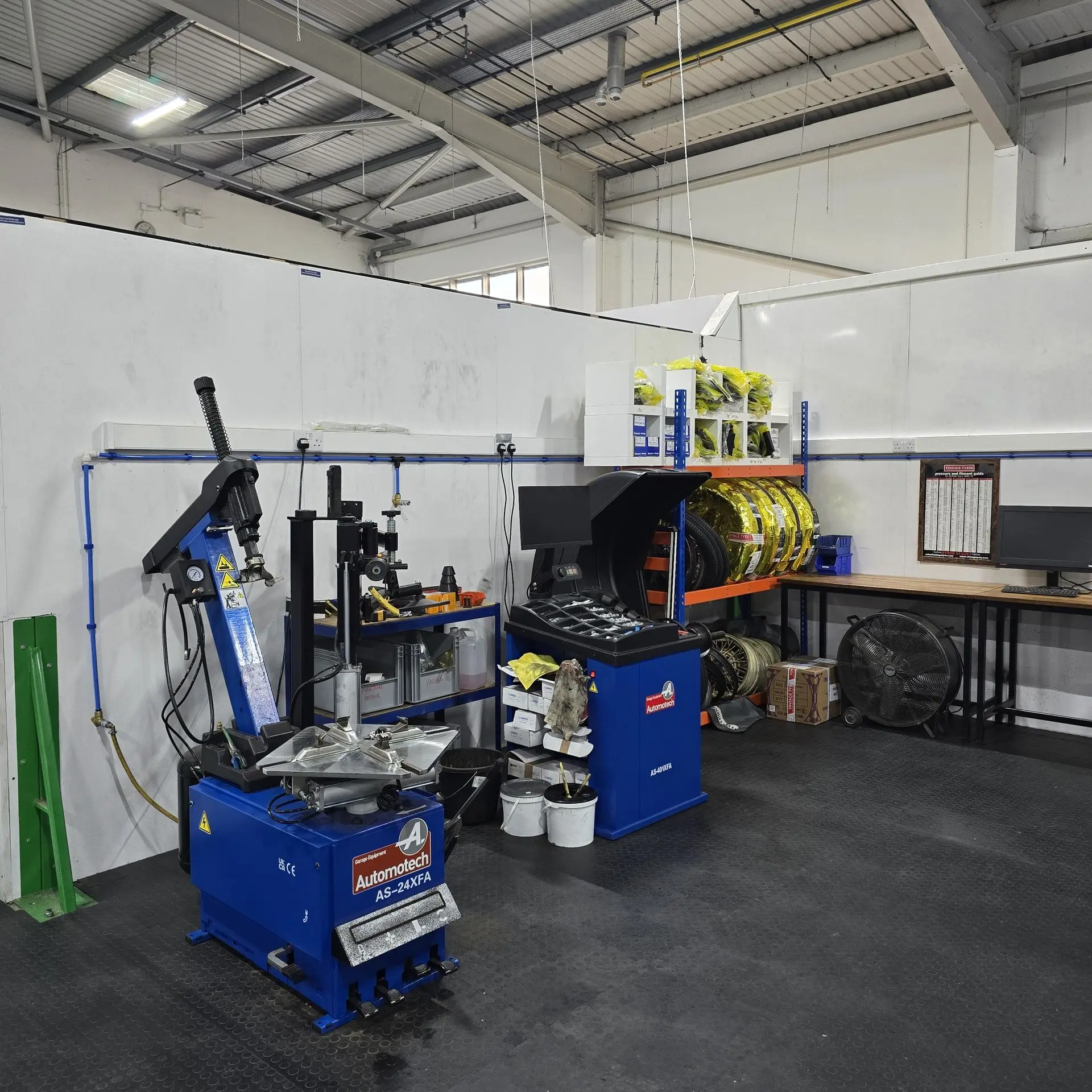
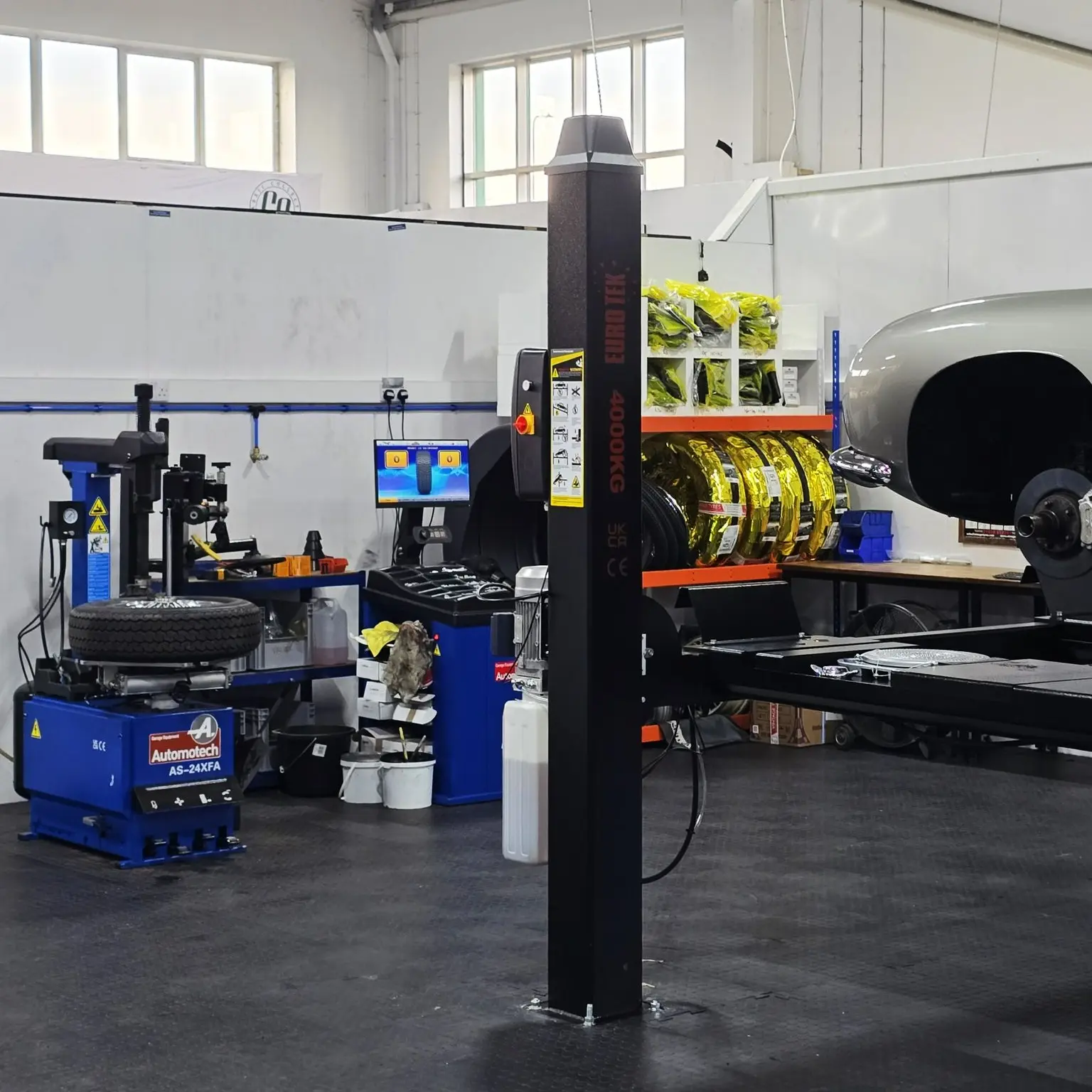
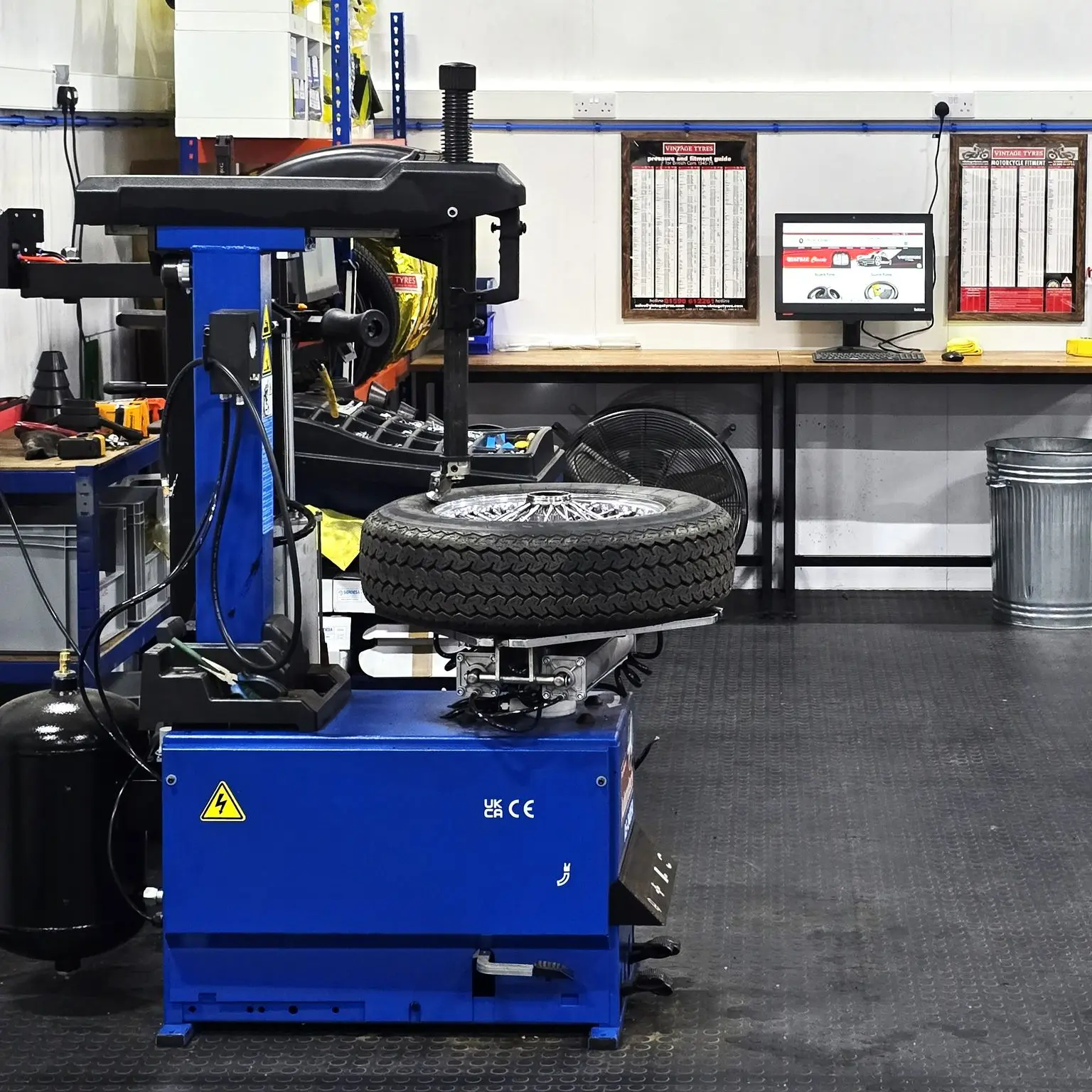
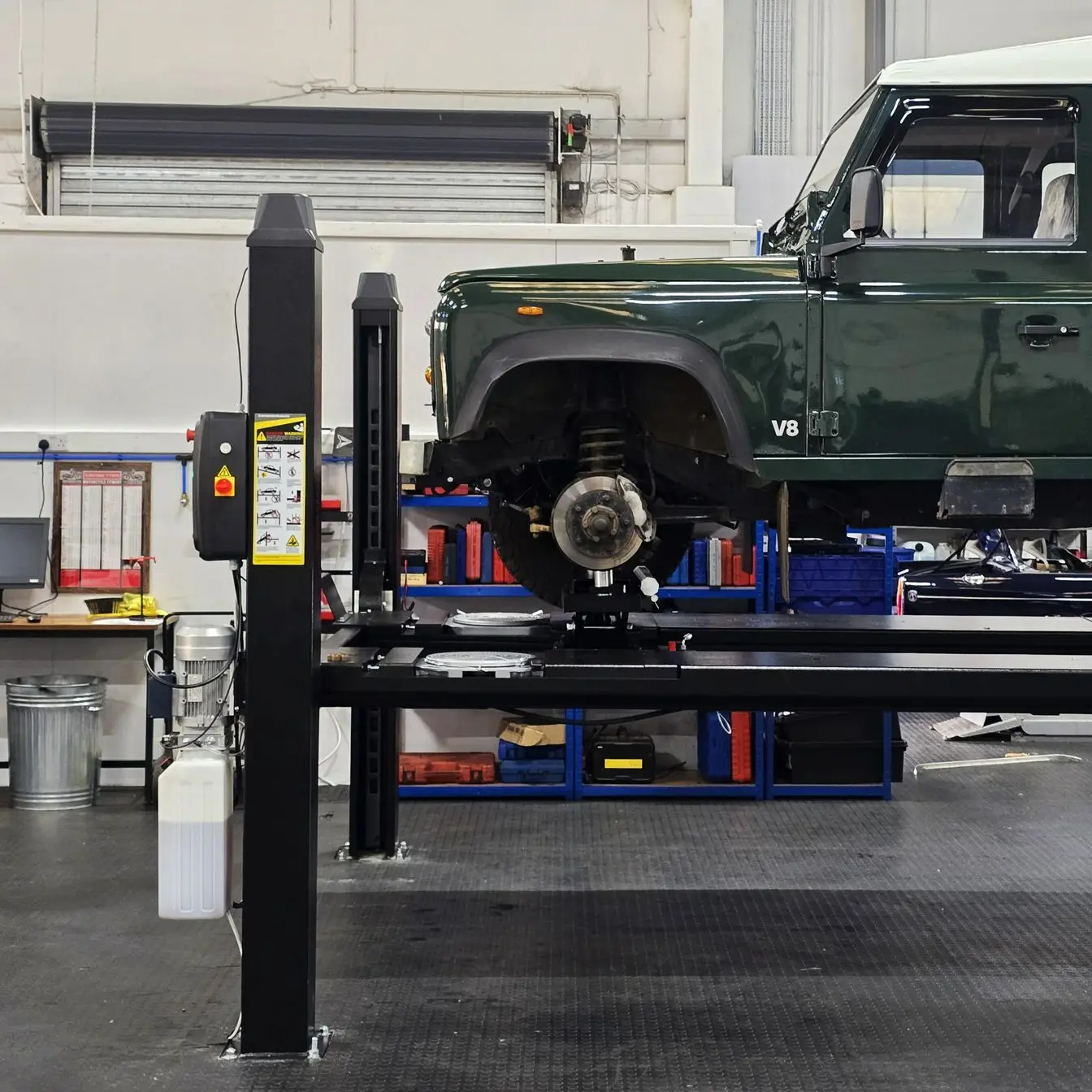
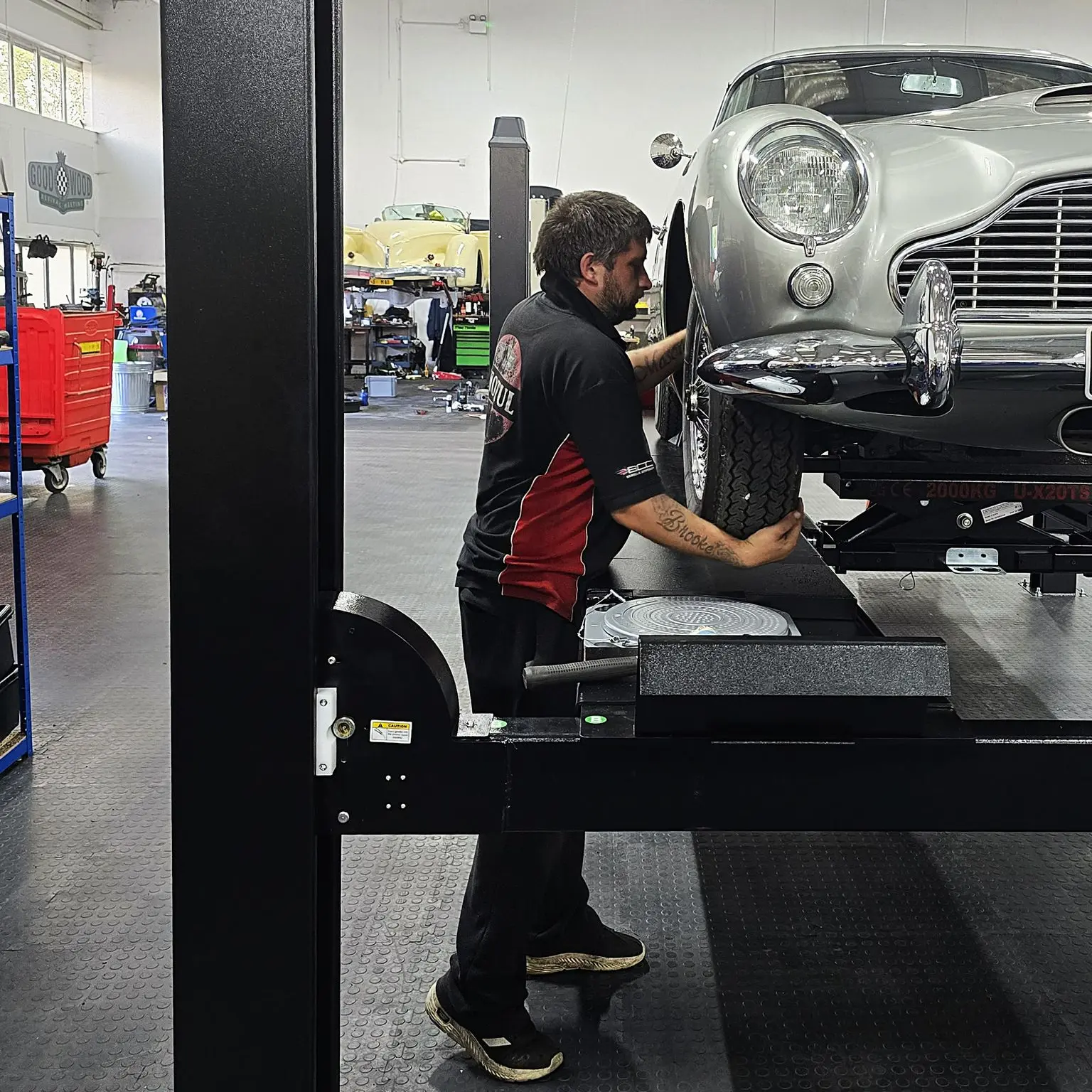
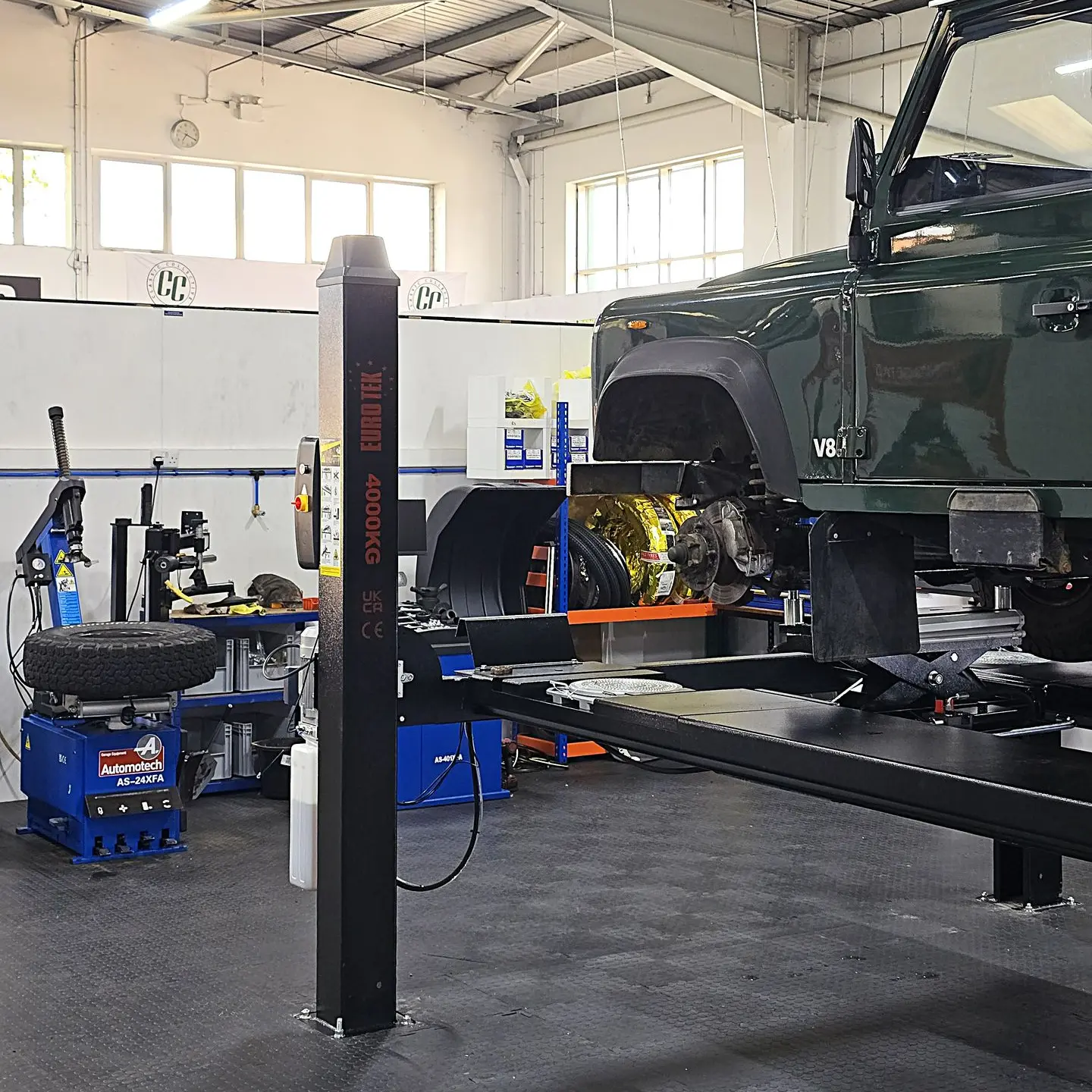
To the uninitiated, tyres may seem like nothing more than four black circles, something we’d all rather not spend money on. The truth, however, is that tyres are the most important components on any car, with a direct impact on performance, safety, and driving enjoyment. That’s why Classic Collective has partnered with Vintage Tyres, bringing their unparalleled range of heritage rubber to Bicester, along with their expertise in selecting, fitting, and balancing the correct tyres for your classic.
With the guidance below, you’ll understand:
- When and why tyres should be replaced
- How do you know how old your tyres are?
- Telltale signs your tyres need replacing
- The differences between classic and modern tyres
- How to properly care for and maintain them
- How fresh tyres can transform performance, safety, and overall enjoyment
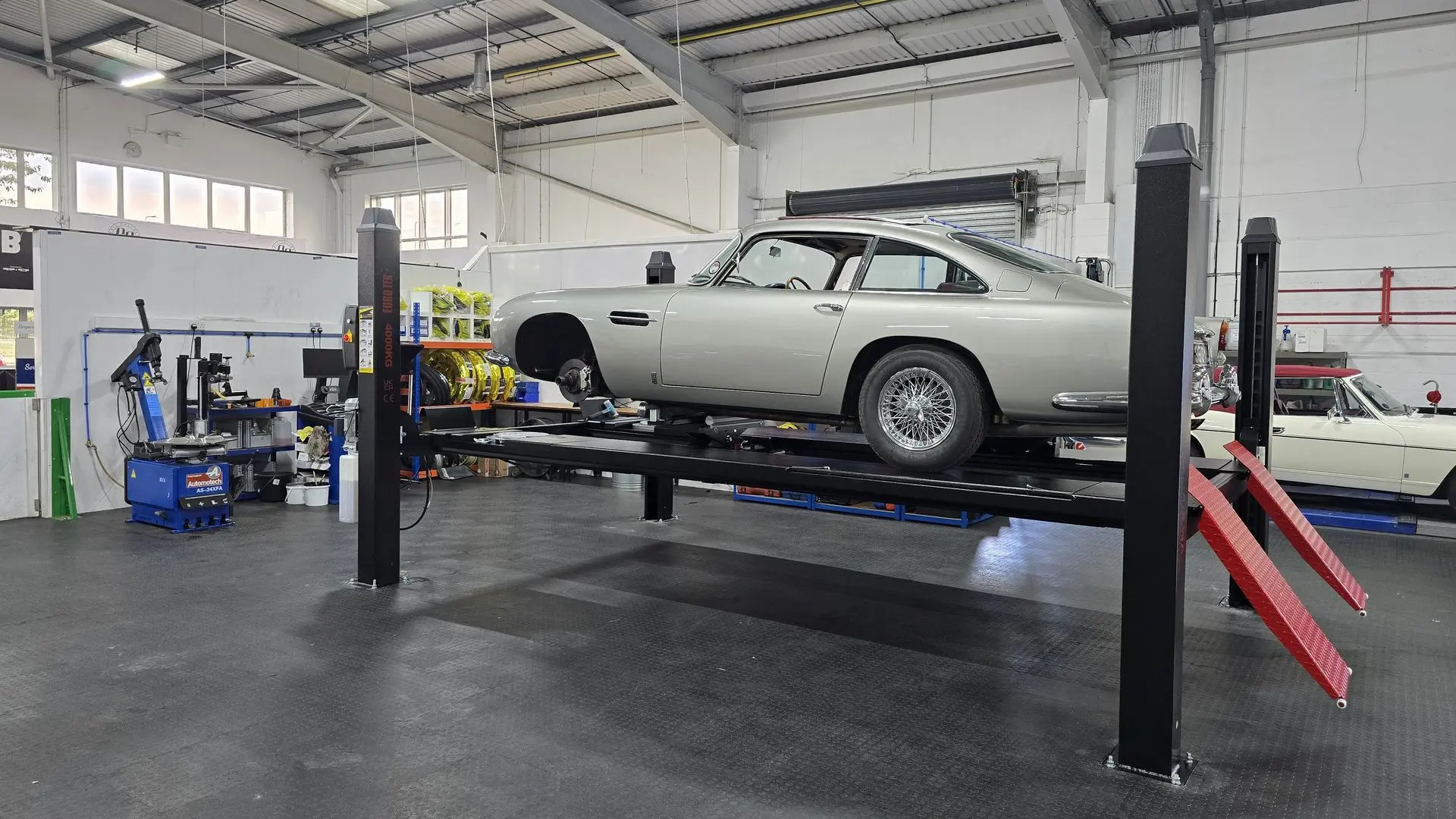
When should you change tyres on a classic car?
Obviously when they have less than 1.6mm of tread, but with classic cars covering so few miles a year, it is very rare that you will replace them simply because they are worn out! What is more likely is that your tyres are simply too old. The simple facts are that:
- Classic car tyres typically age out before they wear out.
- Rubber hardens with age regardless of how it is stored.
- That means the older the tyre the less grip it will deliver – regardless of tread depth
- Tyre industry experts strongly recommend that tyres should be replaced once they are ten years old.
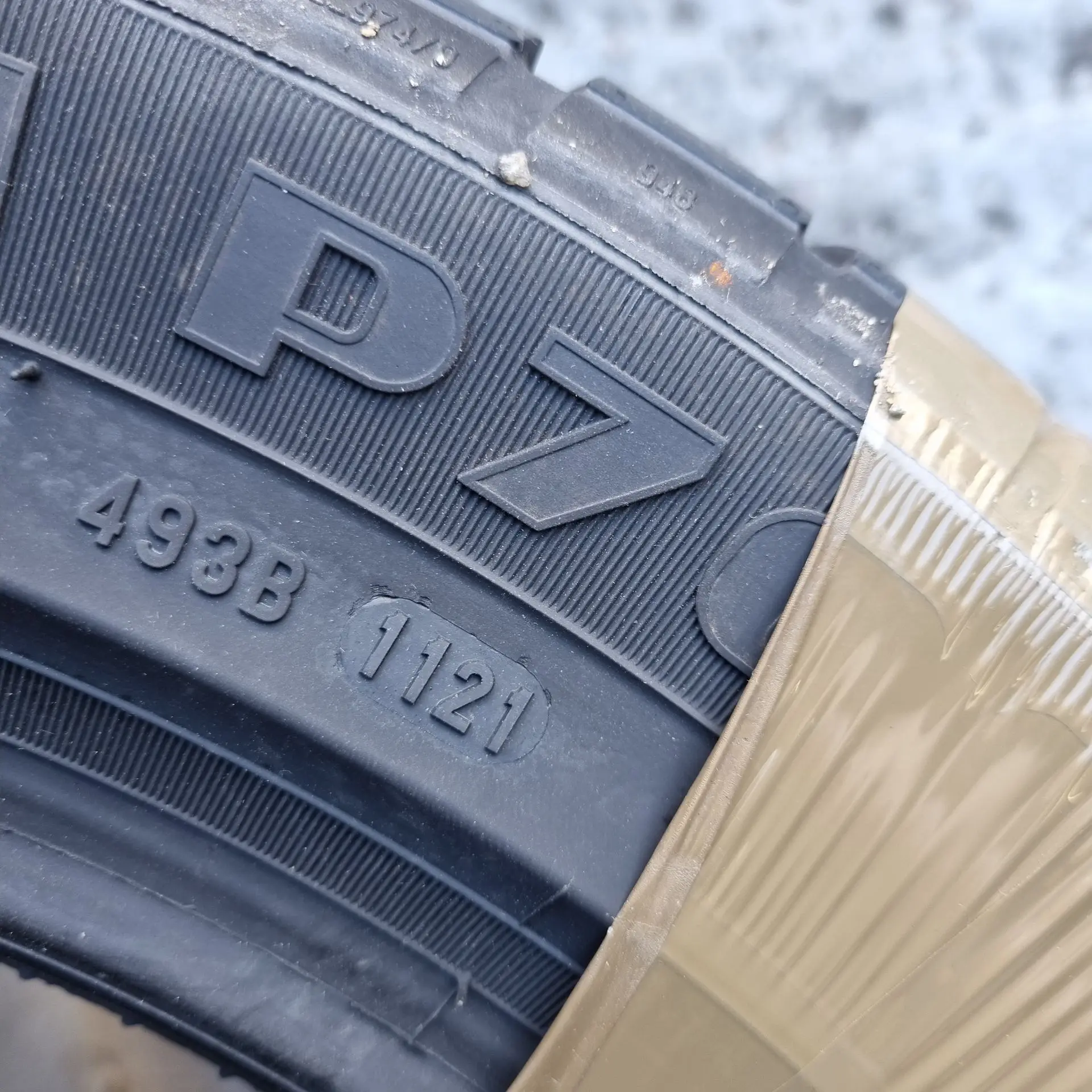
How old are my tyres?
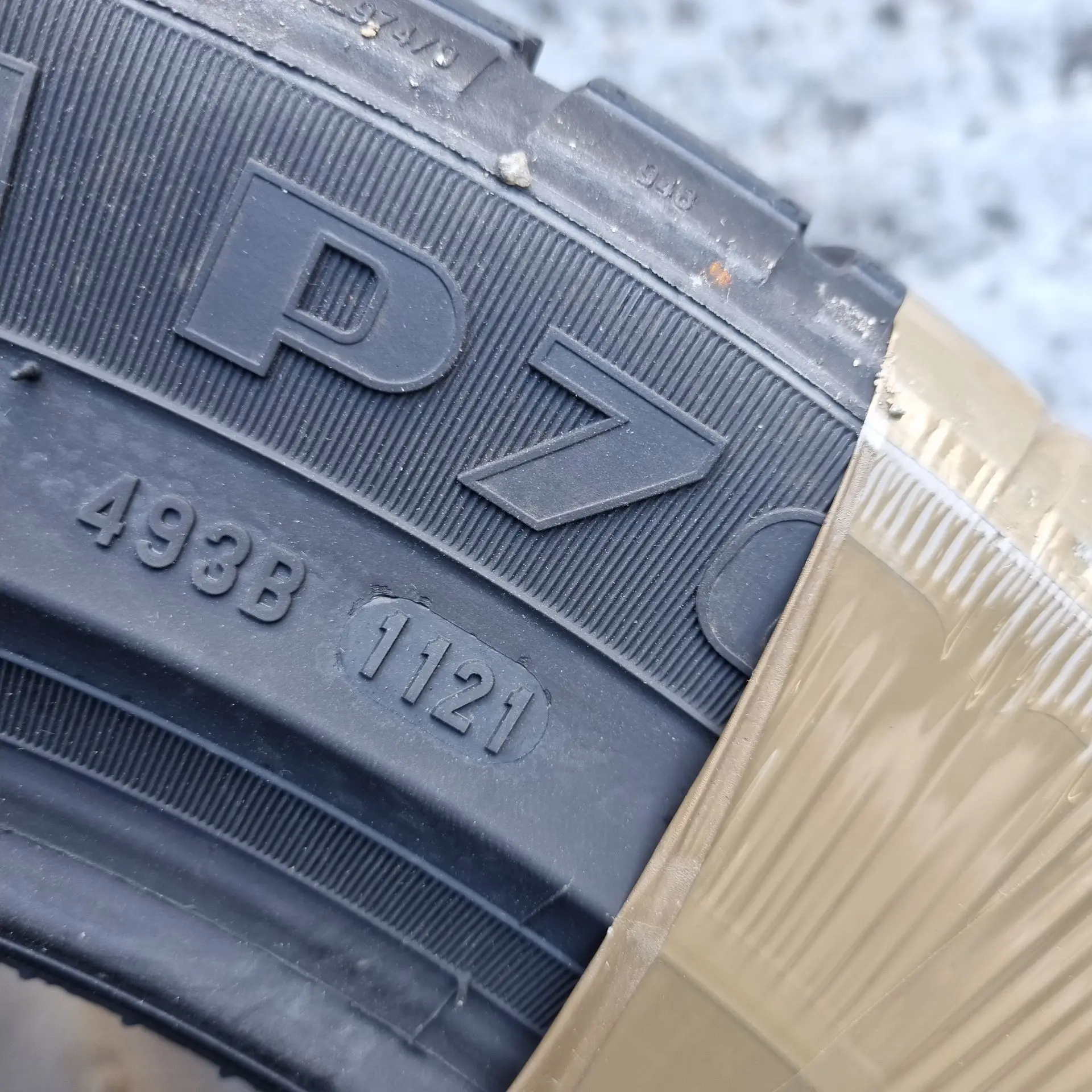
Every tyre manufactured after 2000 carries a DOT code embossed on its sidewall. A four-digit number that reveals when it was made. The first two digits indicate the week of manufacture, and the last two the year.
For example, a tyre marked 1121 was produced in the 11th week of 2021.
If your tyres don’t display a DOT code at all, it means they are at least 25 years old - and well past safe use.
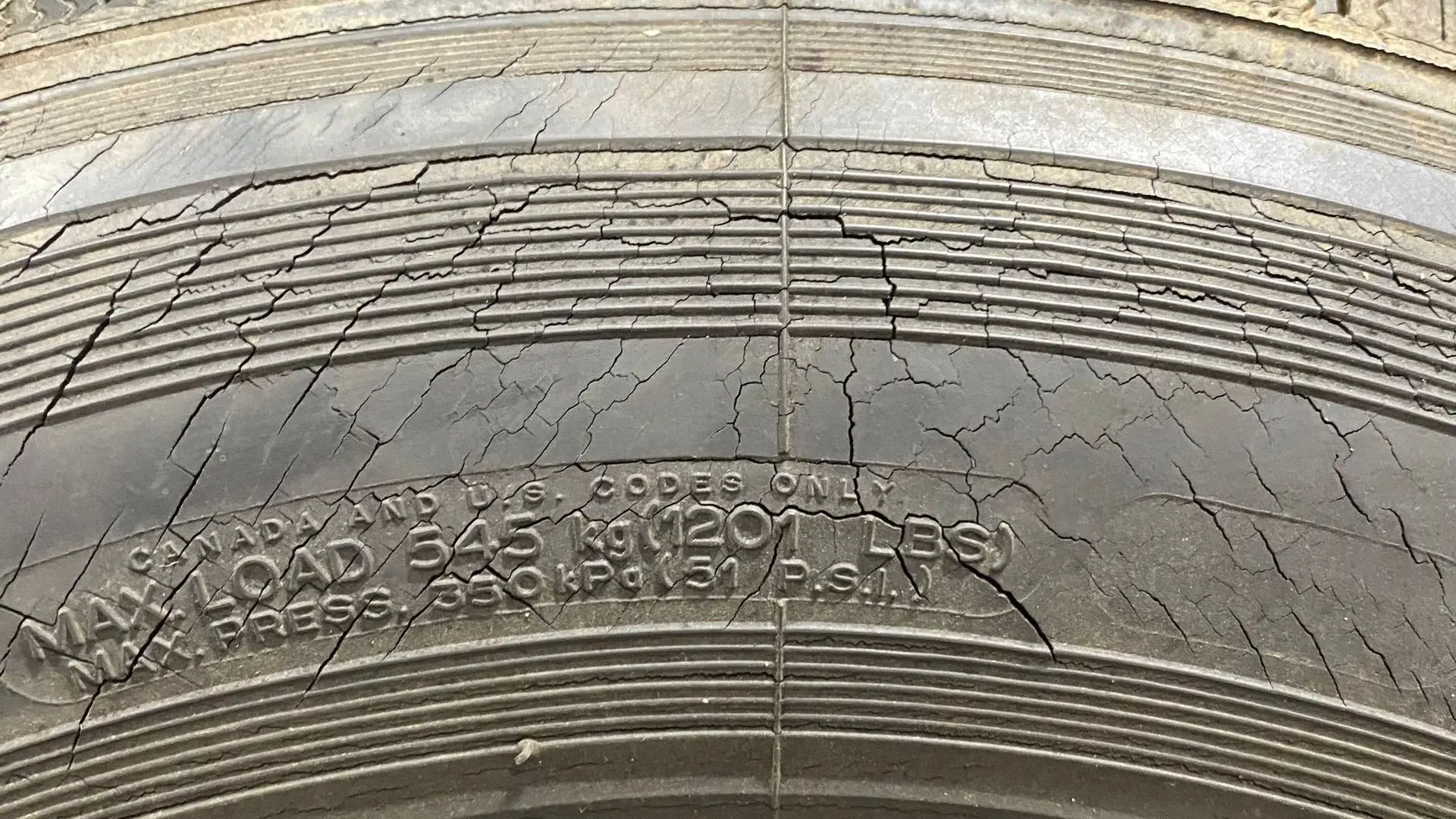
Apart from the age, what should I be checking?
Beyond age and tread depth, classic car tyres are especially prone to:
Cracking - As the tyres get older, the rubber compound hardens. You will start to see cracks appear in the tread grooves and sidewalls. This is the beginning of tyre failure
Flat-spotting - This is largely due to long periods of storage, often with tyres left underinflated. When a car rests in one position, its weight deforms the rubber at the contact point. Once back on the road, the tyre may retain an oval shape, causing wheel wobble.
To minimise these issues during longer-term storage (anything over a month), we recommend over-inflating your tyres by 10% or rotating the wheels periodically. Just remember to return pressures to the correct setting before driving again.
What is the difference between classic and modern tyres?
It’s not uncommon to see classic cars fitted with unsuitable modern tyres. Most tyres sold at local fitting centres are designed for today’s cars. Vehicles that are typically heavier, equipped with power steering, and driven many thousands of miles each year.
As a result, modern tyres are built with shorter sidewalls, tougher rubber compounds, and square profiles. While ideal for contemporary vehicles, these characteristics can leave classics with a harsher ride, reduced grip, and steering that feels heavy and imprecise on the road. It is important to understand that manufacturers developed their tyre, steering and suspension set ups to work together. Mixing modern tyres with classic vehicle suspension and steering rarely improves vehicle dynamics.
Classic-specific tyres, by contrast, are made using the same techniques, machinery and mould used in period. Indeed many of the tyres available from Vintage Tyres are genuinely handbuilt, although improved rubber compounds are used where appropriate.
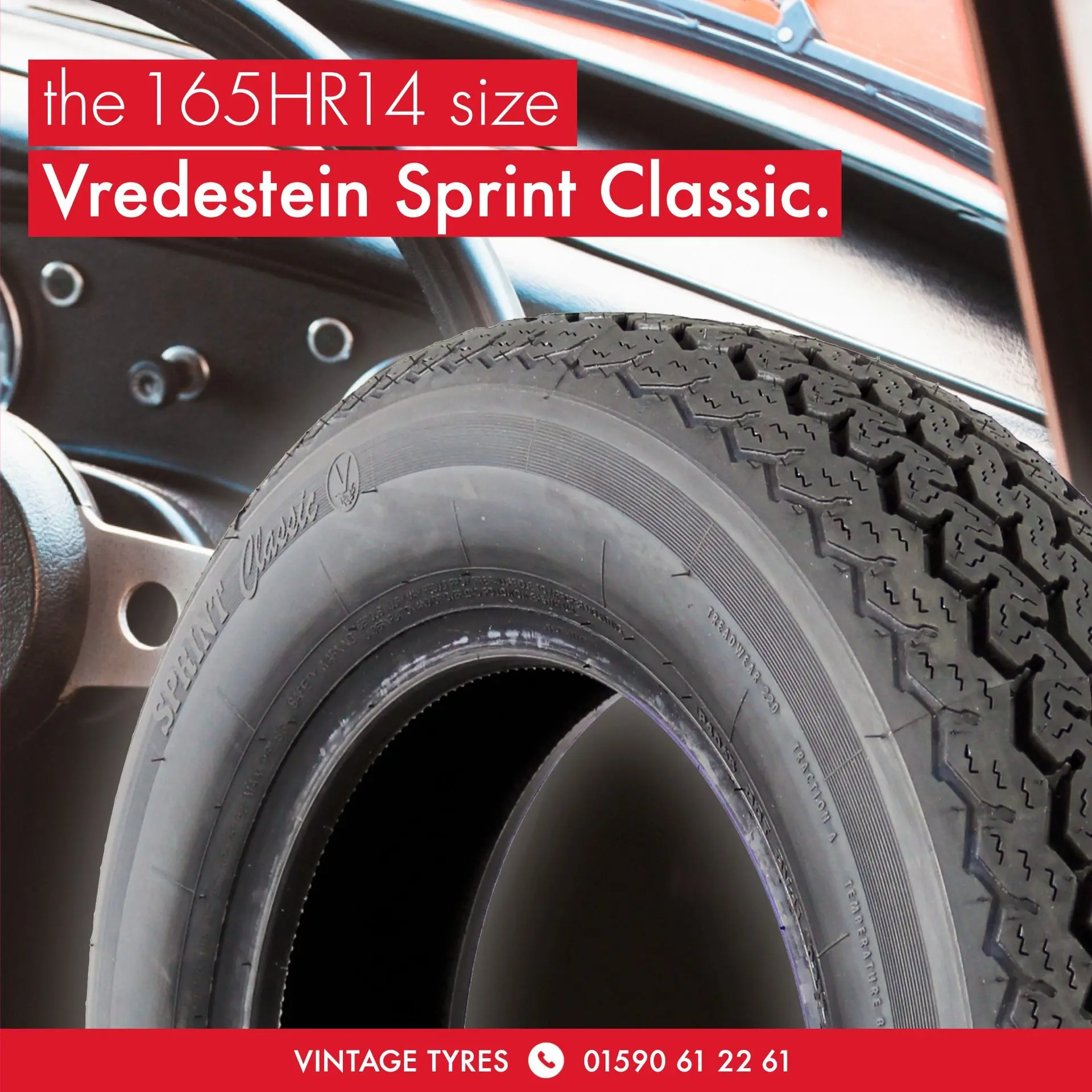
There are some ranges like the excellent Vredestein Sprint Classic range which combine the best of both worlds. Correct sizing, classic tread patterns and load ratings, but built using modern manufacturing techniques. This leads to an excellent classic tyre at a very reasonable price.
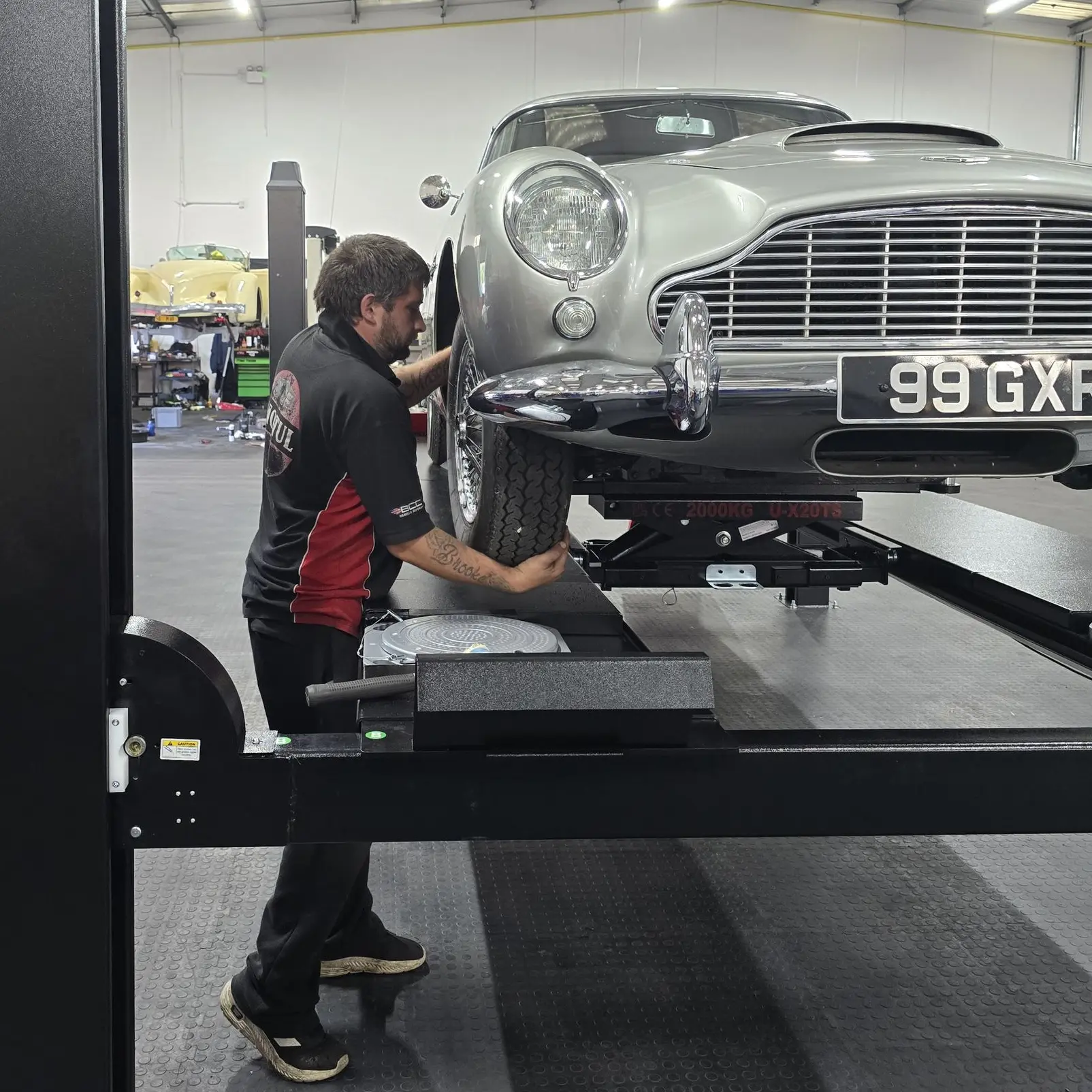
Top 4 Tyre Care Tips
- Check Pressures Regularly - Avoid underinflation, the main cause of flat spots and cracking.
- Drive the Car - Regular use keeps rubber supple and prevents deformation.
- Rotate in Storage - For lay-ups over a month, rotate wheels or slightly over-inflate.
- Shield from Sunlight -Store indoors or use tyre covers to prevent UV damage.
Healthy tyres = safer, smoother, and more enjoyable classic motoring.
How Fresh Tyres Transform Your Car
New tyres can completely change the way a classic drives. With the right set, you’ll experience:
- Sharper Performance - Improved grip and handling, restoring the car’s original dynamics.
- Greater Safety - Reduced stopping distances and more predictable behaviour in all conditions.
- Enhanced Comfort - Smoother ride quality, free from vibration or wobble caused by aged rubber.
- Fresh tyres are one of the most effective upgrades you can make transforming not just how your car feels, but how much you enjoy it.

Order your tyres to be fitted at Classic Collective
Tyre fitting 48 hours from order
We have a range of their popular tyres available through our online shop for fitment at Classic Collective
If your car is not listed, you can order your classic car tyres directly through Vintage Tyres by calling them on 01869 243 528.
Simply request fitting here at Bicester and they will ship your order to us next day and book you in for the next available slot.
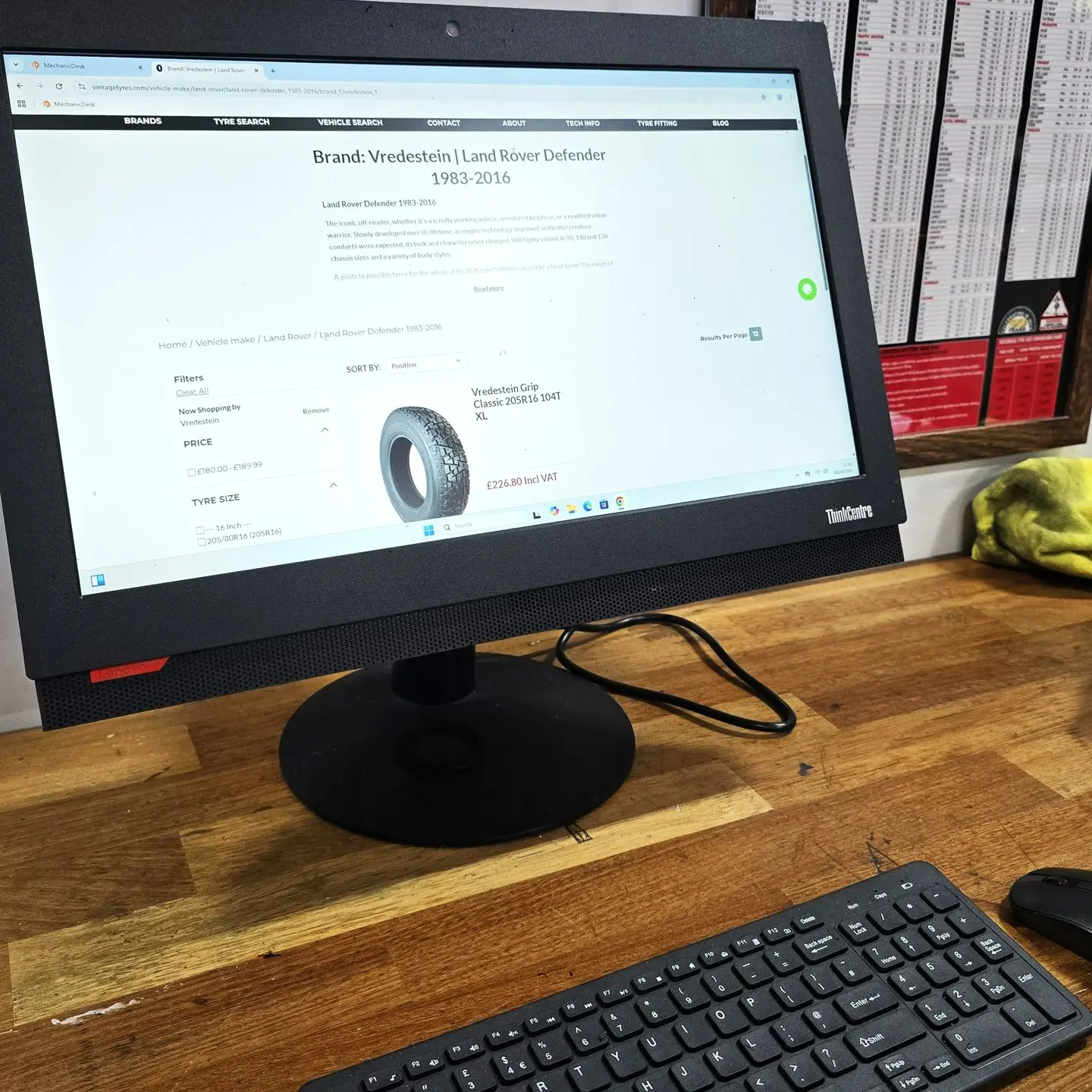
They also have an excellent website where you can easily identify what tyres you will need by filling out the make and model details. Find them online by following the link.



To install this Web App in your iPhone/iPad press
 and then Add to Home Screen.
